

SEC Chairman Atkins outlines next steps for taking over funding and governance responsibilities.

Grygo is the chief content officer for FTF & FTF News.
The Consolidated Audit Trail (CAT) may have a new life under the direct management of the Securities and Exchange Commission (SEC).
SEC Chairman Paul S. Atkins reveals in his Aug. 10 letter to Robert Walley, chair of the CAT NMS Plan Operating Committee, that many in the securities industry want the SEC to directly control the operation and funding of the CAT surveillance system. Atkins cites the responses sent during the comment period for a concept release of the SEC calling for a “comprehensive review” of CAT.
“One theme emerges from the comment file: investors and market participants want the commission to take more responsibility for managing and funding this project,” Atkins says.
Major industry groups such as the Securities Industry and Financial Markets Association (SIFMA) argue that the SEC needs to directly control and fund the CAT system to cut red tape, reduce costs, and end fragmented governance. But before the SEC takes control of the big data equities and options tracking and data-keeping system, a few more steps are required.
For now, 25 self-regulatory organizations (SROs) such as national securities exchanges and the Financial Industry Regulatory Authority (FINRA) through CAT NMS, LLC, with FINRA acting as the operational plan processor, jointly own and operate the massive CAT system. The SEC is the ultimate supervisor, having mandated its existence since 2012.
In his letter, Atkins reports that he has directed staff to take action on key matters such as:
- “Explore ways to fund the CAT, including through the use of appropriated funds and Section 31 transaction fees;
- Draft for commission consideration a rulemaking that, if adopted, would rescind Rule 613 and require the exchanges, FINRA, and broker-dealers to report CAT data to the commission or its designee while utilizing current CAT infrastructure and reporting specifications;
- Assess SEC resources for purposes of assuming responsibility of the CAT and identify needs related to SEC governance of the CAT.”
“These measures would provide a significant, positive change to the structure of the CAT and address fundamental issues with its current costs, governance, and funding. Because many of these actions would need to occur in tandem, the transition would likely not be complete until late 2027. It is therefore important to communicate our approach now, so that market participants and investors can understand the substantial reforms that we plan to make,” Atkins says.
“As staff consider the restructuring of the CAT, we will make it a priority to ensure that market participants are given a voice in the process, both now and after we have assumed responsibility of the CAT, to the extent the commission adopts rules to restructure the CAT,” Atkins adds.
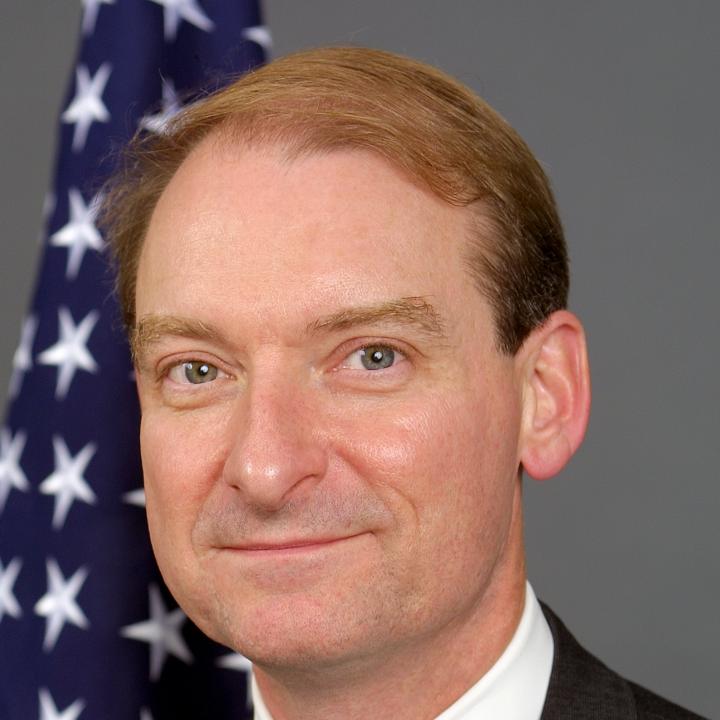
Paul S. Atkins
The SEC has to be “mindful that such changes should be implemented as seamlessly as possible. Additionally, we will continue to update the public regularly on notable developments as the commission seeks to reform the CAT to a fit-for-purpose regulatory resource that is appropriately governed and operated at reasonable cost,” Atkins says. “I look forward to further engagement with you and other stakeholders on this critical initiative.
And there will be further engagement, as key industry players want the SEC to wind down, dismantle, and declaw the CAT program. Others want the status quo.
The full letter from the SEC chairman can be found here: https://shorturl.at/orJNo
Is your company featured in this article? Contact us about reprints or licensing.
Leave a Reply